Take the real Texas written test online!

Texas DMV Test Evaluation

4.5 out of 5 (390 votes)
80% Passing score
10 Questions
2 Mistakes allowed
Our Texas DMV practice test is a practical first read on whether your permit-test knowledge is where it needs to be. Not perfect, not polished, not “I skimmed the handbook once and feel decent about it” ready — actually ready. The official Texas Class C knowledge test is based on the Texas Driver Handbook, and the real exam uses 30 multiple-choice questions. You need 21 correct answers to pass, which works out to 70%. Road signs are included, but they are folded into the larger test with traffic laws, right-of-way, safe driving habits, alcohol and drug rules, distracted driving, vehicle equipment, and driver responsibility. This practice test starts with 10 carefully selected questions and asks for 8 correct answers to pass. That is a little tougher than the official percentage, on purpose. A practice test should do more than pat you on the back; it should catch the gaps while they are still easy to fix. And, well, some of those gaps are sneaky. A driver may know what a stop sign looks like and still miss a question about who goes first at an uncontrolled intersection, or how Texas treats wireless device use for younger provisional drivers, or what a sign is warning about when the wording is not doing anyone any favors. The questions cover the material Texas applicants actually need: road signs, lane use, right-of-way, freeway driving, rural-road judgment, safe following distance, and the everyday rules that DPS expects drivers to understand before they get behind the wheel. When you miss a question, the hints and explanations are there to make the mistake useful. Slightly humbling, maybe, but useful. This Texas driving test practice works for more than one kind of applicant, too. Teens using the Graduated Driver License program can use it while working toward a learner license. Adults 18 through 24 can use it alongside the required 6-hour adult driver education course. First-time applicants age 25 and older, who are not required to take driver education but still need to handle the testing process, can use it as a reality check before making a DPS appointment. Start with this short test, then keep going through the other Texas permit test practice exams until the rules feel familiar and you can consistently score well.

Skip the DPS written test. No Joke.

Pass guaranteed — or your money back.

Learn More
Promotion
Learn More

Sample Texas Permit Test Questions

Question 1

What should you do if your vehicle begins to hydroplane?

  1. A. Maintain speed until the tires regain contact
  2. B. Brake firmly to force the tires onto the pavement
  3. C. Release the accelerator gradually and avoid braking
  4. D. Accelerate to push through the water

Correct answer: C. – Release the accelerator gradually and avoid braking

Hydroplaning occurs when the tires rise onto water and lose contact with the roadway. Release the accelerator to let the vehicle slow and the tires regain traction. Do not apply the brakes while the vehicle is hydroplaning because steering and braking depend on tire traction.

Source: Texas Commercial Motor Vehicle Drivers Handbook — § 2.6.2, “Matching Speed to the Road Surface”, Texas Driver Handbook — Appendix A, “Glossary of Terms”
Question 2

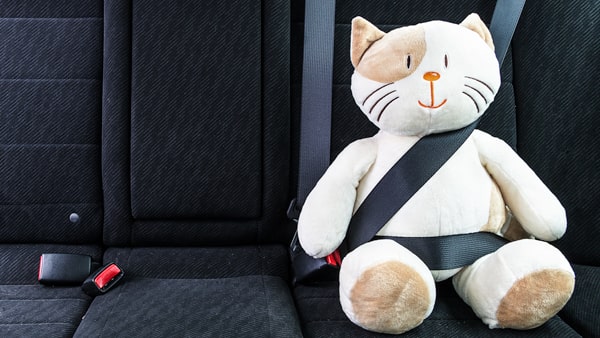
Under Texas law, a person age 15 or older riding in a safety-belt-equipped seat must:

You must use your seat belt:
  1. A. Wear the belt only when traveling on a highway
  2. B. Wear the belt only when seated in front
  3. C. Be secured by the belt or face a possible $25–$50 fine
  4. D. Wear the belt only when the vehicle has no airbags

Correct answer: C. – Be secured by the belt or face a possible $25–$50 fine

A person who is at least 15 commits an offense by riding unbelted in an equipped seat while a passenger vehicle is being operated, unless a statutory defense applies. The offense is a misdemeanor punishable by a fine of $25 to $50. Separate requirements and penalties apply when a driver fails to secure a qualifying child under 17.

Source: Tex. Transp. Code § 545.413(a), (b), (d)–(e) – Safety Belts; Offense

Question 3

Why should drivers look carefully for bicycles before turning or changing lanes?

  1. A. Bicyclists always have the right-of-way
  2. B. A bicyclist may be overlooked, especially near intersections or turns
  3. C. Bicyclists are required to ride against traffic
  4. D. Bicyclists do not have to follow traffic laws

Correct answer: B. – A bicyclist may be overlooked, especially near intersections or turns

Bicycles are vehicles, and their riders generally have the rights and responsibilities of other vehicle operators. The driver handbook warns that bicycle traffic is often overlooked or its speed misjudged, particularly at intersections. Drivers should look carefully and avoid turning directly across a bicyclist’s path.

Source: Texas Driver Handbook — Ch. 9, “Share the Road with Bicycles”

Question 4

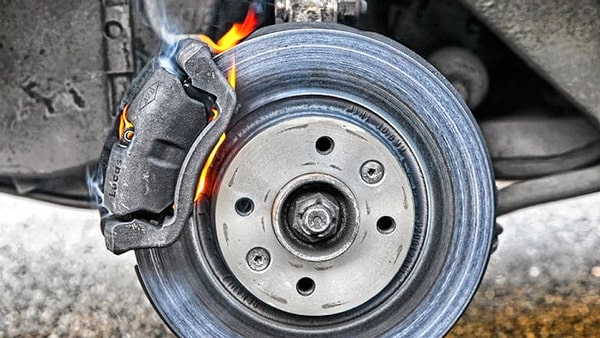
If your service brakes fail, which actions are appropriate?

If you experience brake failure while driving, you should:
  1. A. Shift to a lower gear
  2. B. Apply the parking brake cautiously
  3. C. Remain calm and avoid locking the wheels
  4. D. All of the above

Correct answer: D. – All of the above

If the brakes fail, do not panic. Shift to a lower gear and apply the parking brake cautiously. A sudden or excessive parking-brake application could lock the wheels and cause a skid, so use it carefully while bringing the vehicle under control.

Source: Texas Driver Handbook — Ch. 9, “Brake Failure”

Question 5

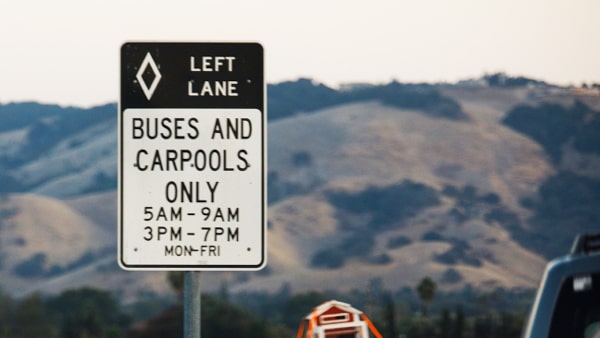
When may a passenger car use a signed Texas HOV lane?

You can drive in a carpool lane if:
  1. A. When it meets the posted occupancy, vehicle, and time requirements
  2. B. Whenever the driver wants to pass slower traffic
  3. C. Whenever it is a van, even if the driver is alone
  4. D. Whenever the driver is running late

Correct answer: A. – When it meets the posted occupancy, vehicle, and time requirements

A high-occupancy vehicle is a bus or ridesharing vehicle occupied by a specified minimum number of people. HOV lanes give eligible vehicles preference either continuously or during scheduled periods. Drivers must obey the signs identifying the required occupancy, permitted vehicle types, and operating hours.

Source: Tex. Transp. Code § 224.151(3)–(4) – Definitions, Texas Driver Handbook — Ch. 5, “Regulatory and Warning Signs”

Question 6

Except for a momentary passenger pickup or drop-off, may you park in front of a driveway?

  1. A. No, whether the driveway is public or private
  2. B. Yes, for up to 15 minutes
  3. C. Yes, if the driveway serves your home
  4. D. Yes, if the property owner gives permission

Correct answer: A. – No, whether the driveway is public or private

Texas law prohibits standing or parking an occupied or unoccupied vehicle in front of a public or private driveway. The rule contains a narrow exception for stopping momentarily to pick up or discharge a passenger. It does not provide exceptions based on how long you park, who owns the driveway, or whether the owner gives permission.

Source: Tex. Transp. Code § 545.302(b)(1) – Stopping, Standing, or Parking Prohibited in Certain Places